Technology & Products
[1-Minute Battery] Regenerative Braking, Charging the Battery When EVs Slow Down
2025.09.04
|
[1-Minute Battery] provides easy and quick explanations from simple curiosities about batteries to insightful questions! |
What a smooth feeling it is to step on the accelerator when driving my first EV! It feels amazing. To slow down smoothly, I gently pressed the brake. Of course, the speed started to drop, but the battery is charging. What on earth is happening here?
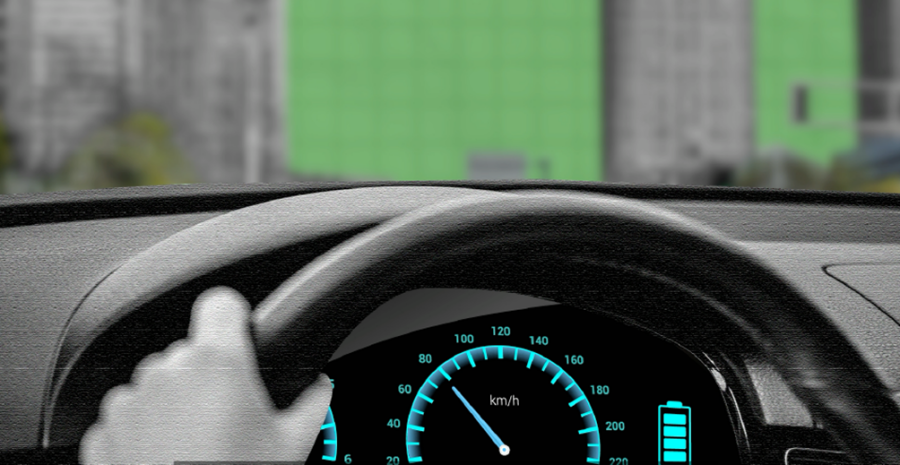
[Is the battery charging when EVs slow down?]
The kinetic energy of ICE vehicles simply dissipates as heat when slowing down. But in EVs, that energy is converted back into electricity for reuse thanks to ‘regenerative braking’.
The principle is simple. When you lift your foot off the accelerator or press the brake, the motor is put under resistance, which slows the wheels and converts that rotational energy into electricity stored back in the battery. At the same time, that rotational energy is converted into electricity and stored back in the battery. In other words, the motor is used just like a generator!
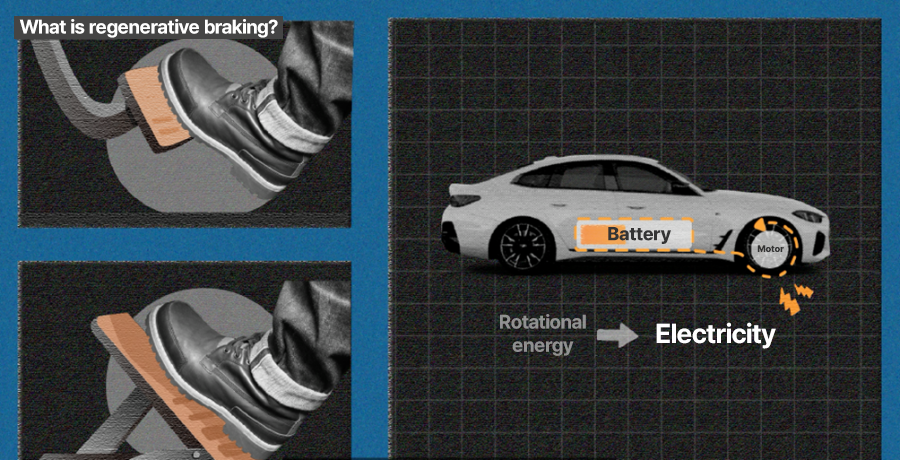
[We should not just waste rotational energy! It should be converted into electricity and stored back in the battery.]
If charging with a charger is like giving the battery a full meal, then regenerative braking is like a snack. While driving, it provides little bites of energy here and there, helping the battery avoid getting “hungry” too quickly. In fact, by making good use of regenerative braking, you can extend your driving range by anywhere from 15% to as much as 30%.
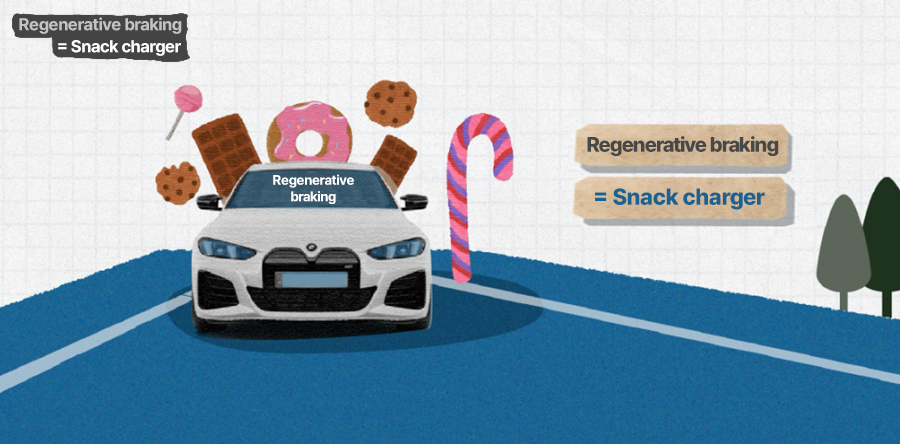
[In real life, you might get scolded for snacking too often before a meal, but not when it comes to an EV!]
Let me introduce four ways to make better use of regenerative braking.
First, release the accelerator slowly, and press the brake gently. The smoother the deceleration, the longer and more efficiently regenerative braking can work. (If you press the brake too hard, the car switches to using the brake pads instead of regenerative braking!)
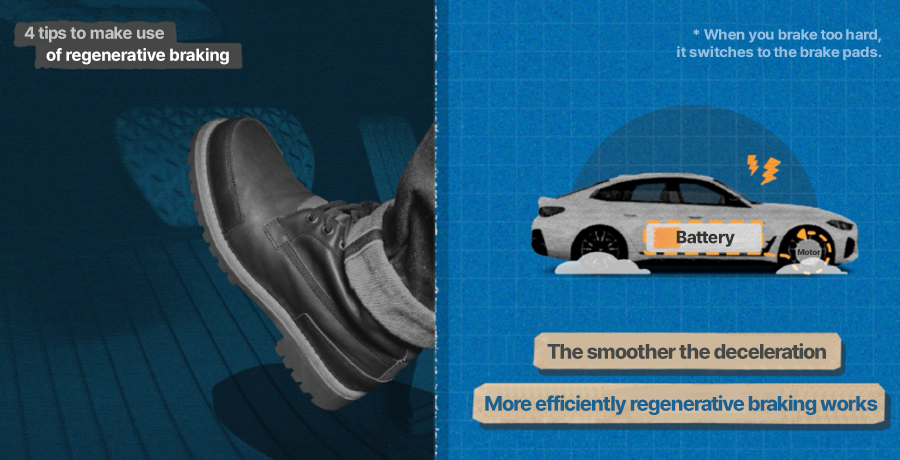
[When you brake too hard, it switches to the brake pads.]
Second, try using One-Pedal Drive mode, if your car has it. With this mode, regenerative braking is applied more often during deceleration instead of the brake pads. As a result, you not only charge the battery but also reduce brake pad wear. It’s like catching two birds with one stone.
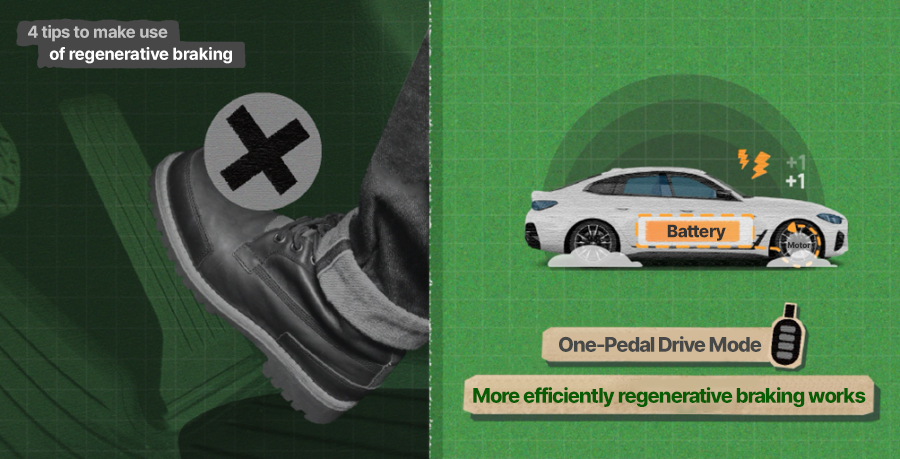
[By making good use of One-Pedal Drive mode, you can take advantage of regenerative braking more efficiently]
Third, make the most of regenerative braking in city driving or on downhill roads. The more stop-and-go situations you encounter, the more energy you can recover through regenerative braking.
Finally, the most important rule is to keep a safe distance from the car in front. To fully take advantage of the four tips above, safe and defensive driving always come first.
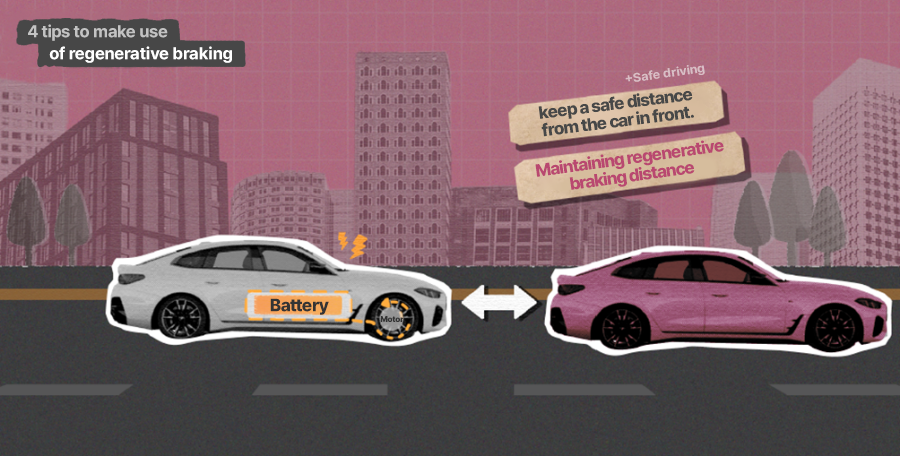
[Don’t forget to drive safe!]
Regenerative braking isn’t just a way to slow down. It’s a magical technology that boosts both the efficiency and eco-friendliness of electric vehicles!

SAMSUNG SDI Newsroom
We deliver the latest news and issues coming out of SAMSUNG SDI.