People & Culture
[Professional’s Major] Interview with Pro Jae-won Kim at the ASB Production Development Group
2025.03.18
|
[Professionals’ Major] introduces the major and job roles of our employees. It also explores their research field before joining the company and how their experiences influenced their career and job roles. |
We met Pro Jae-won Kim who graduated with a degree in mechanical engineering and is currently developing mass production processes for solid-state batteries at SAMSUNG SDI. Mechanical engineering is a discipline that studies how energy and force are transmitted and manifested in mechanical systems based on the four fundamental mechanics: thermodynamics, fluid mechanics, solid mechanics, and dynamics. Let’s explore Pro Jae-won Kim’s academic background and his role as he aspires to become a top solid-state battery developer.
Q. Can you briefly introduce your work?
# Developing processes to enhance the manufacturability of ASB
I work at the AEB) ASB Production Development Group, which is responsible for electrode, cell and process development, as well as a variety of other elemental technology development tasks. I am developing processes to enhance the manufacturability of ASB and designing optimized cell structures for each process. To achieve this, I collaborate with various departments to carry out process tests at different scales, both in the labs and the production lines, as well as self-assessment on some of the cells.
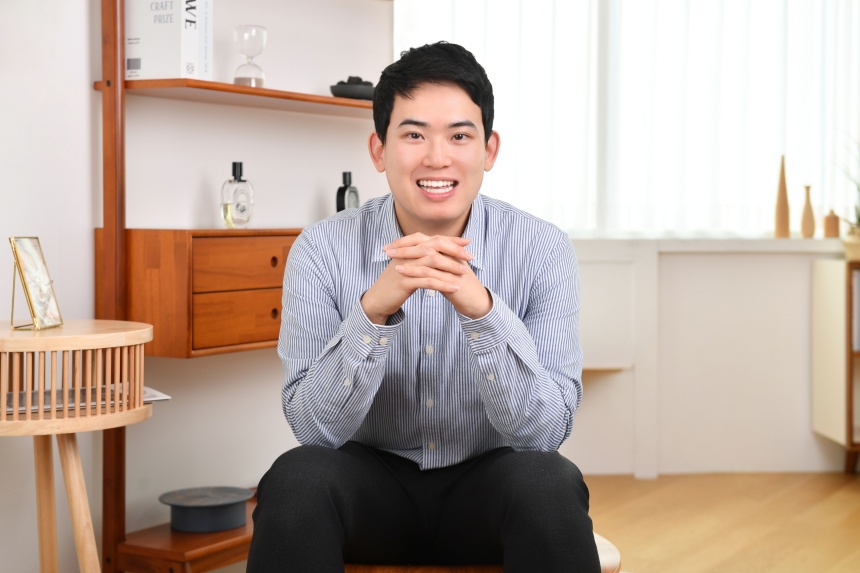
[Pro Jae-won Kim works at the ASB Production Development Group.]
Q. What do you find appealing about mechanical engineering?
# Major with a broad range of application
Mechanical engineering is an engineering discipline that studies and understands various interactions of force and energy based on the four fundamental mechanics: thermodynamics, fluid mechanics, solid mechanics and dynamics. Since mechanical engineering is the foundation of all industries, it has a long history and covers a broad range of engineering concepts. The biggest appeal is its extensive applicability. If you have the knowledge of mechanical engineering, you can excel in almost any industry by supplementing it with expertise from other fields.
Q. What research did you conduct at school? How did it influence your career choice?
# Perseverance and battery expertise gained through two research experiences
During my master’s program, I initially conducted research on air filters based on nanomaterials. Later, I took the lead in researching silicon anodes, specifically developing silicon anode composites using conductive polymers and metal nanowires. Since my lab did not specialize in battery research, I had to study through online resources and research papers. After numerous trials and errors, I was able to achieve the desired research outcomes.
This research experience allowed me to take on a role in process development for ASB. Additionally, it reinforced my belief that any challenge can be overcome with strong will, which helped me achieve meaningful results in my work after joining the company.
Q. Why did you choose an R&D role as a mechanical engineering major?
# ASB requires mechanical interactions of particles
Early in my master’s program, I came across a research paper published in Nature Energy discussing the anode-free structure of SAMSUNG SDI’s solid-state batteries, and it helped me understand that achieving high capacity and long lifespan in solid-state batteries requires a deep understanding of the mechanical, electrical, and chemical interactions. Since mechanical engineering knowledge is crucial in this field, I believed that my expertise could be effectively applied, which led me to pursue my current role.
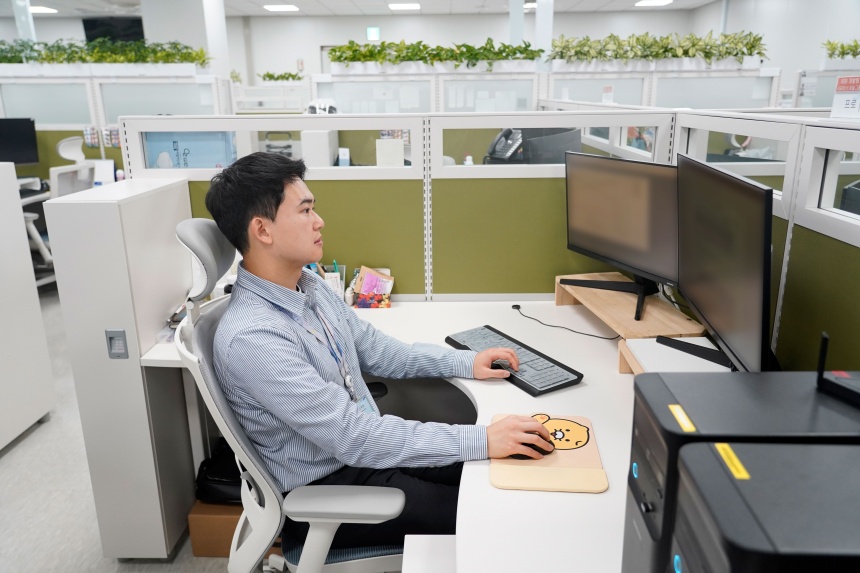
[Pro Jae-won Kim studying manufactural process of ASB]
Q. When did you feel the most fulfilled after joining the company?
# Mutual growth: my project and myself
My first project started off as a small team. However, over time, I witnessed it grow into a crucial initiative for the mass production of ASB. Being part of this journey and contributing to securing our company’s core technology was incredibly rewarding.
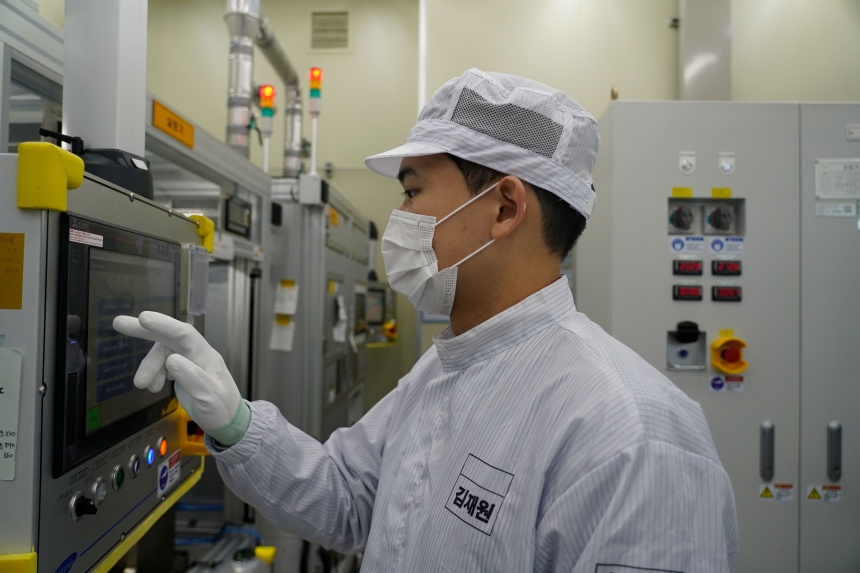
[Pro Jae-won Kim conducts process experiment of ASB]
Q. Did you face any challenges adapting to your job in the early days? How did you overcome them?
# Onboarding training for new hires and mentor-mentee program
One of the biggest challenges I faced was realizing my lack of battery-related knowledge. I received about 4 months of onboarding training, where I realized how much I didn’t know about the industry.
The six-month mentor-mentee program for new hires played a significant role in helping me overcome this challenge. I was fortunate to have an experienced mentor who provided detailed explanations and guidance. Personally, I studied past and recent development records of the project to understand it better. These efforts helped me quickly adapt to my job.
Q. Do you have any advice for aspiring mechanical engineers who want to work in battery R&D?
# Expanding your knowledge for a broader perspective
A company brings together people from diverse backgrounds to work collaboratively. If you’re interested in the battery industry, I highly recommend studying materials, electrode, and cell from the perspective of chemical and materials engineering. By building expertise in these areas alongside your mechanical engineering background, you can gain a broader perspective and improve the quality of your work.
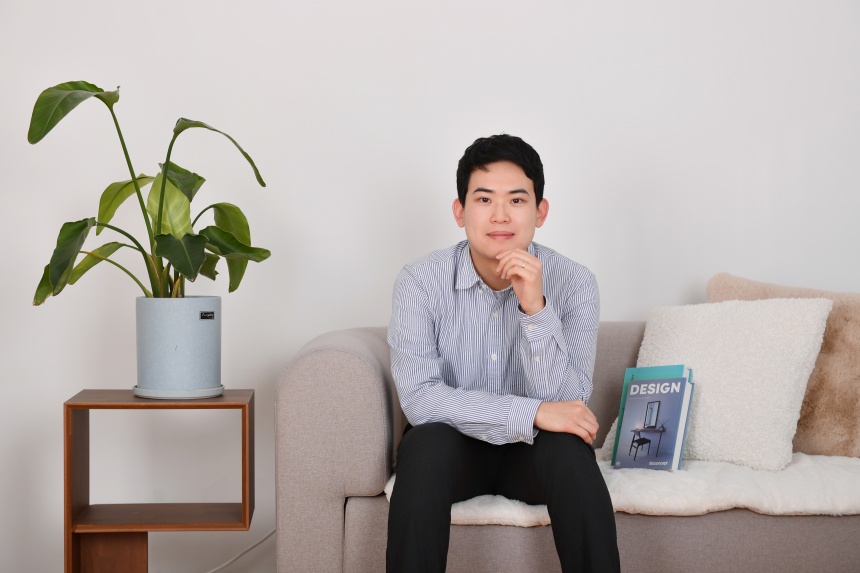
[Pro Jae-won Kim hopes to become the top ASB developer.]

SAMSUNG SDI Newsroom
We deliver the latest news and issues coming out of SAMSUNG SDI.