Technology & Products
[Battery Glossary] Secondary Battery, Ionization Energy, Ionic Conductivity
2025.02.11
|
[Battery Glossary] answers the questions related to batteries with key term explanation. From fundamental battery principles, manufacturing processes to emerging next-generation technologies, [Battery Glossary] makes battery concepts easy to understand. |
Secondary Battery
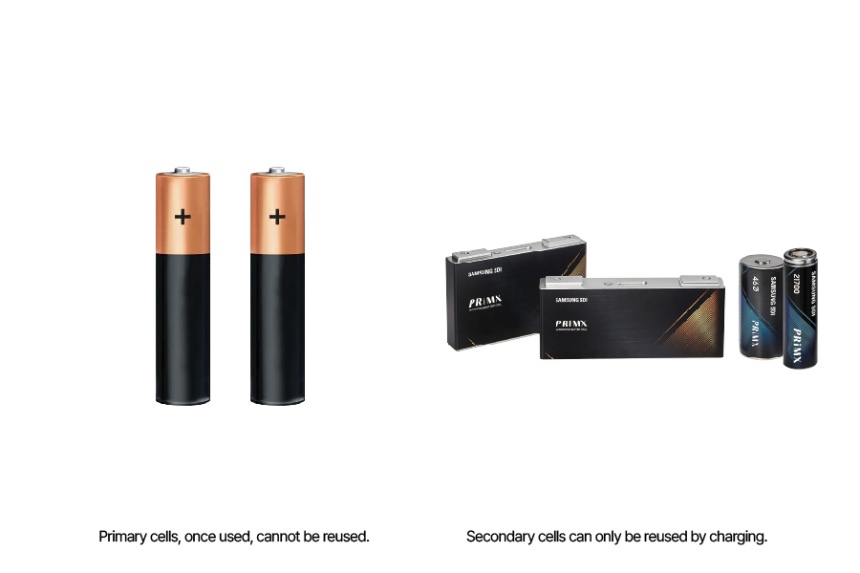
A battery refers to a device converting chemical energy to electrical energy by using oxidation-reduction reaction that allows electrons to move. When primary cells are discharged or used up, they cannot be reused, whereas secondary cells can be reused for many times by saving and storing electricity. Because secondary batteries are eco-friendly and affordable, applications are wide. However, even secondary batteries can’t be used indefinitely, as charging and discharging them more than a certain number of times will degrade their performance. They also need to be properly maintained, as their lifespan will naturally decrease over time.
Ionization Energy
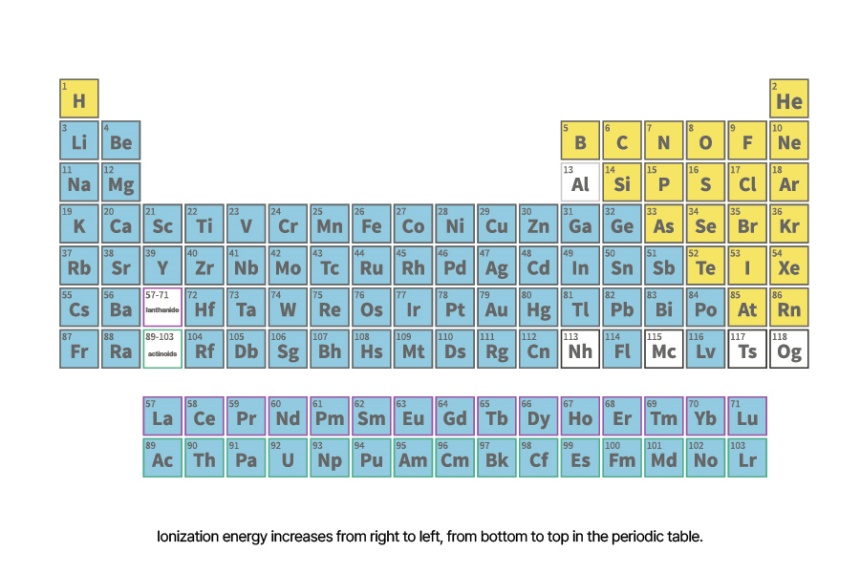
Ionization energy refers to the tendency of atom or molecule to lose an electron. The fundamental reason that electrochemical cells can generate electricity is the differing ionization energy levels among the substances serving as anode, cathode, and electrolytes.
Higher ionization energy means more likelihood of losing electrons. Generally, metals with higher ionization energy in the anode loose electrons, and metals with lower ionization energy in the cathode gain electrons.
Ionic Conductivity
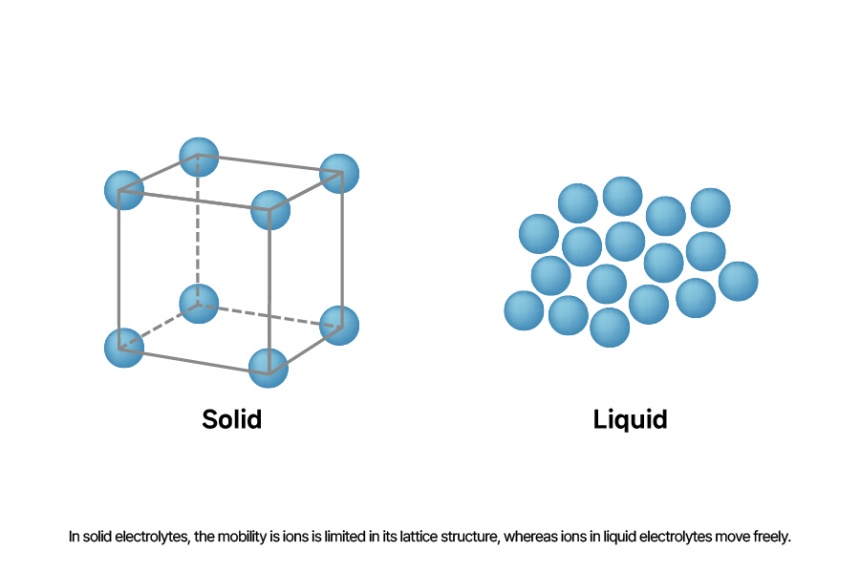
Ionic conductivity refers to the mobility of lithium ions. In other words, it is an indicator showing how well ions are moving. In general, ions move faster in liquid than in solid electrolytes, which means liquid electrolytes exhibit higher ionic conductivity than solid electrolytes. Lithium-ion batteries use liquid electrolytes with high ionic conductivity, allowing Li-ions move faster. However, all-solid-state batteries that use solid electrolytes are more prone to have relatively lower ionic conductivity than Lithium-ion batteries. For that reason, SAMSUNG SDI is currently in the development of technologies to overcome this issue.

SAMSUNG SDI Newsroom
We deliver the latest news and issues coming out of SAMSUNG SDI.